Optimal Timing for Window Installations

Spring offers moderate temperatures ideal for window installation, reducing risks of expansion or contraction.
Summer provides longer daylight hours and stable weather, facilitating efficient installation processes.
Fall's mild weather and lower humidity levels can enhance installation quality and durability.
Ways to make Window Installations work in tight or awkward layouts.
Popular materials for Window Installations and why they hold up over time.

Simple add-ons that improve Window Installations without blowing the budget.

High-end options that actually feel worth it for Window Installations.

Finishes and colors that play nicely with Window Installations.
Statistics indicate that the majority of window replacements and installations are most successful during moderate weather seasons. For example, installations in spring and fall tend to experience fewer delays and higher customer satisfaction due to manageable outdoor conditions. Planning around these periods can also help in avoiding peak season price surges and scheduling conflicts.
Extreme cold or heat can affect sealant application and window expansion, impacting longevity.
Certain window materials perform better in specific climates and seasons, influencing installation timing.
Installing windows during moderate weather can help ensure proper sealing and insulation, improving energy efficiency.
Off-peak seasons often offer more flexible scheduling and potentially lower costs.
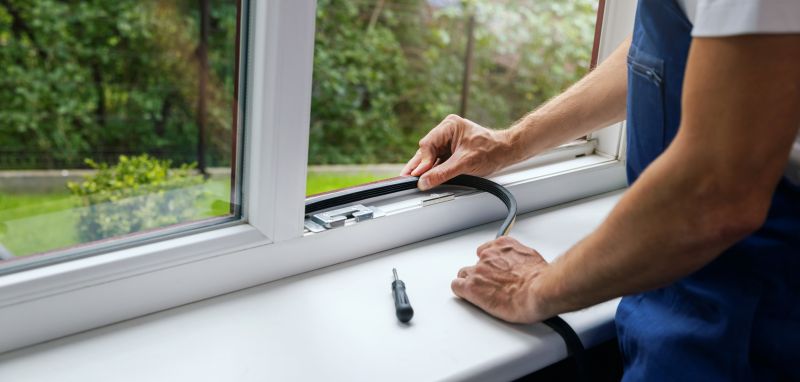
Spring's mild temperatures support effective sealing and installation quality.
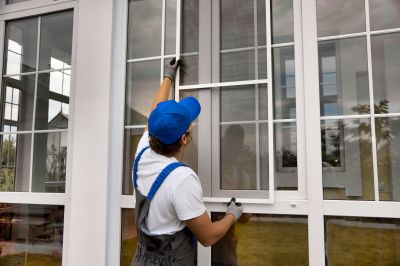
Longer days and stable weather conditions facilitate efficient work schedules.
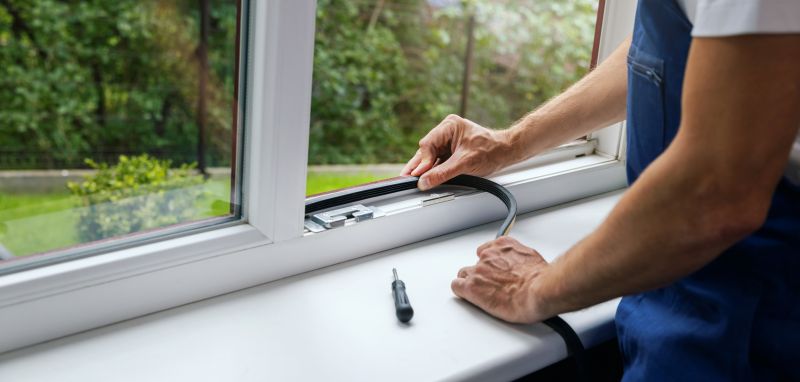
Cooler weather helps in setting sealants and adhesives properly.
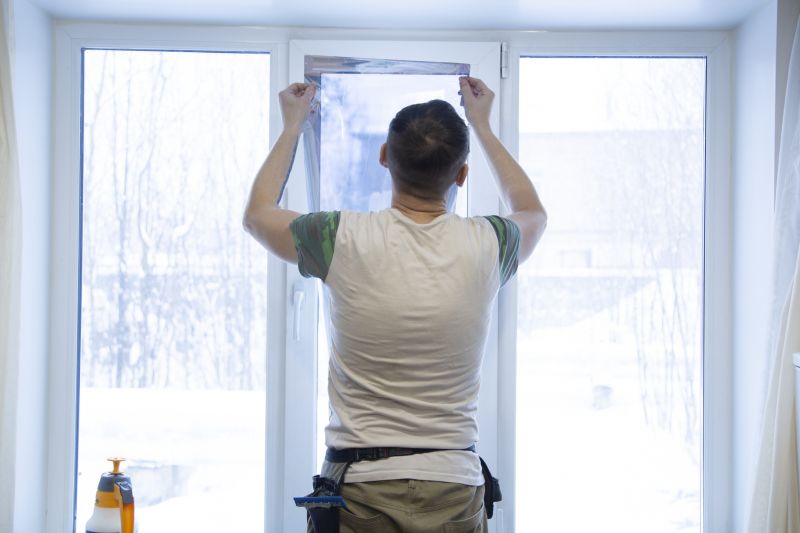
While possible, winter installations require additional precautions due to cold conditions.
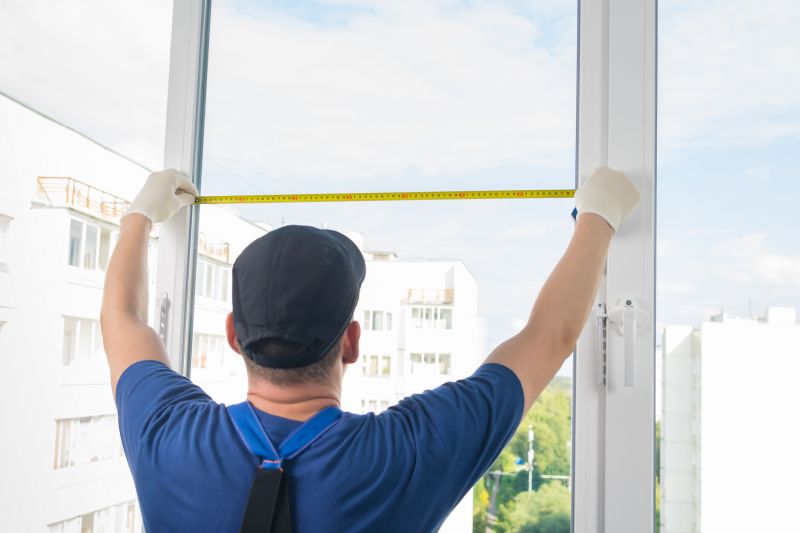
Little measurements that prevent headaches on Window Installations day.

A 60-second routine that keeps Window Installations looking new.
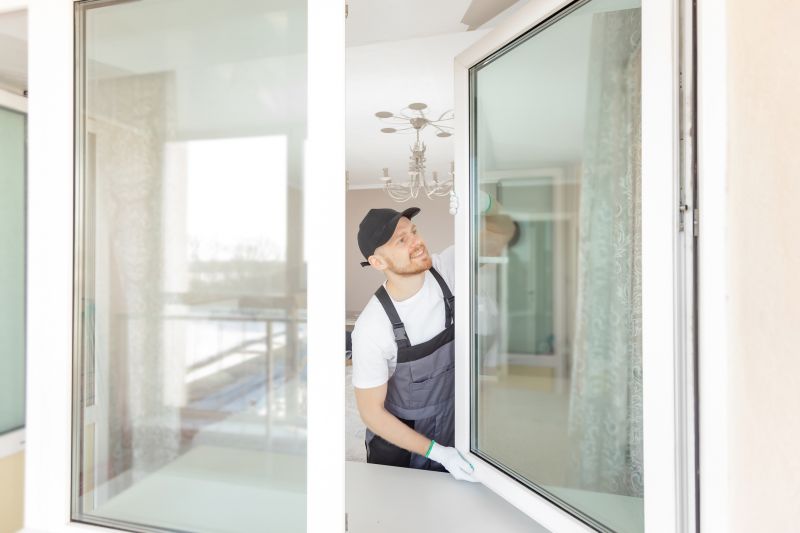
A frequent mistake in Window Installations and how to dodge it.
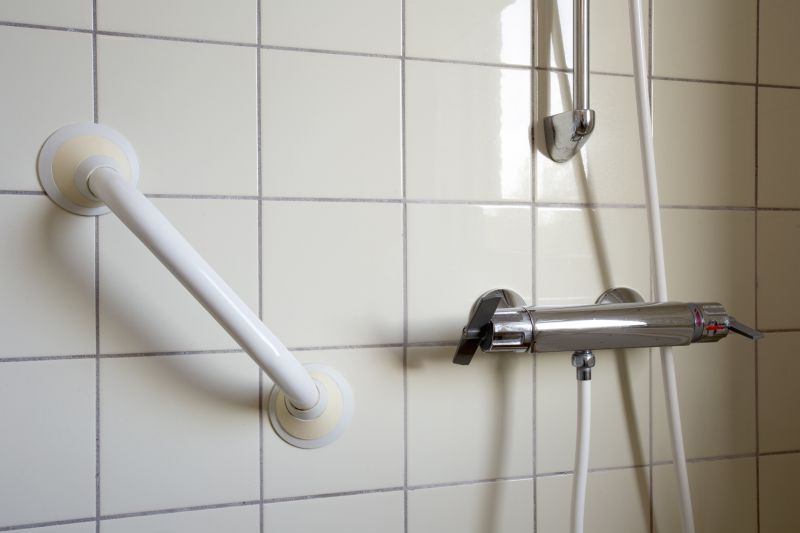
Small tweaks to make Window Installations safer and easier to use.
| Season | Advantages |
|---|---|
| Spring | Moderate temperatures, lower humidity, ideal for sealing and installation. |
| Summer | Longer daylight hours, stable weather, efficient scheduling. |
| Fall | Cooler weather supports proper sealing, less humidity. |
| Winter | Possible with precautions, but risk of cold-related issues. |
| Late Fall/Early Spring | Transitional periods with variable weather, may require flexibility. |
Choosing the right time for window installation depends on local climate conditions, project scope, and scheduling flexibility. Proper planning during the optimal seasons can lead to better installation quality, reduced costs, and increased satisfaction. Consulting with experienced professionals can help determine the most suitable timing based on specific needs and environmental factors.
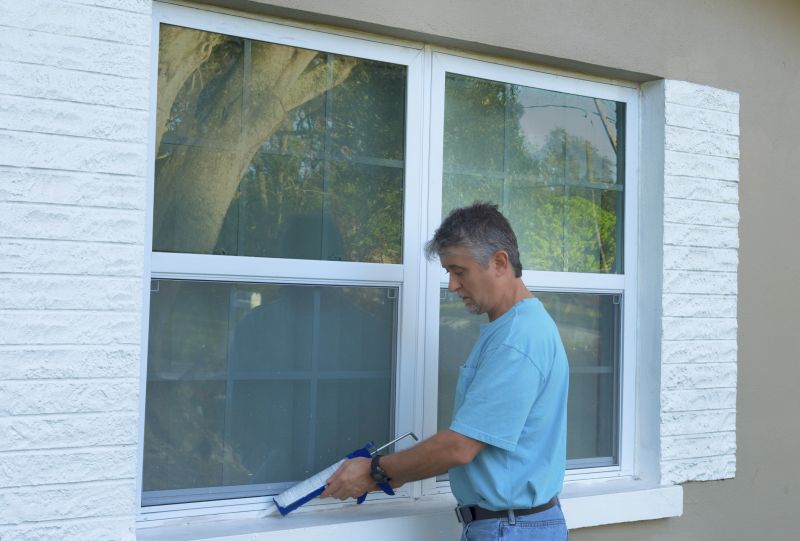
Ideal for moderate weather, ensuring quality sealant application.
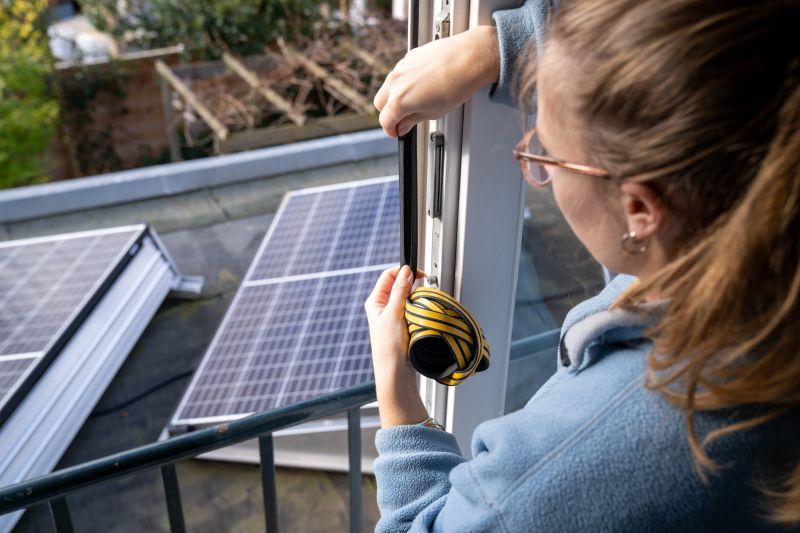
Best for projects requiring longer daylight hours and stable conditions.
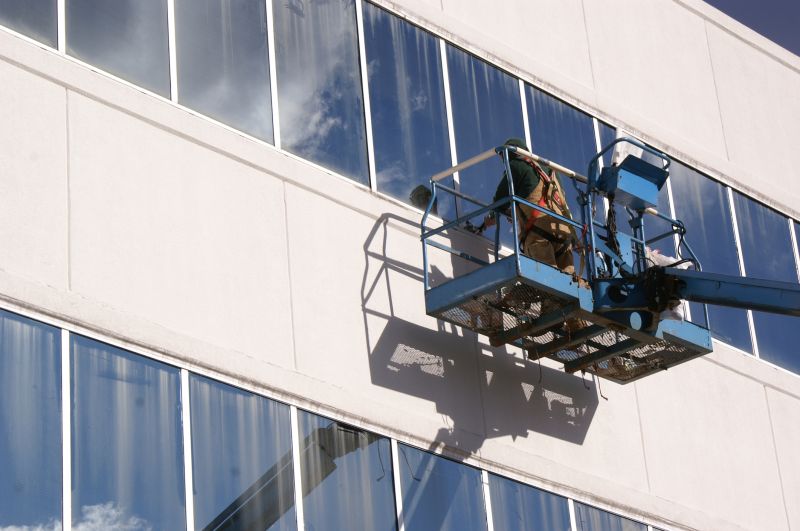
Supports proper sealing with cooler, less humid weather.
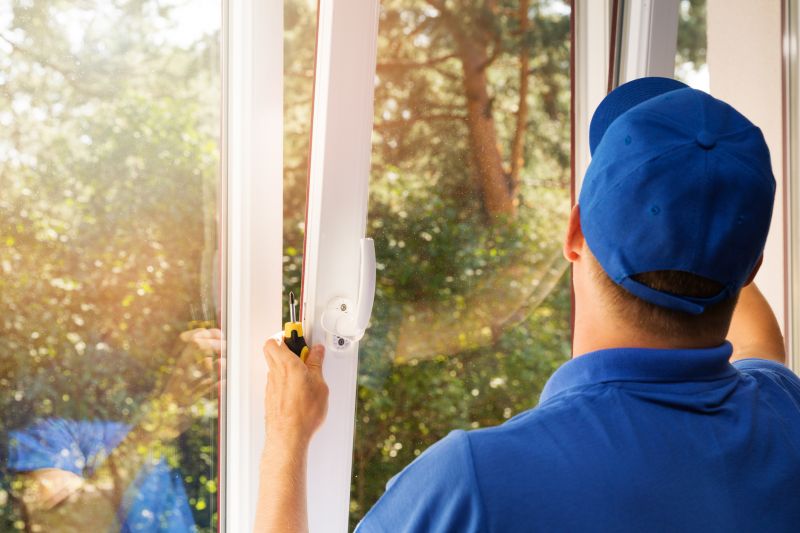
Requires additional precautions but feasible during cold months.
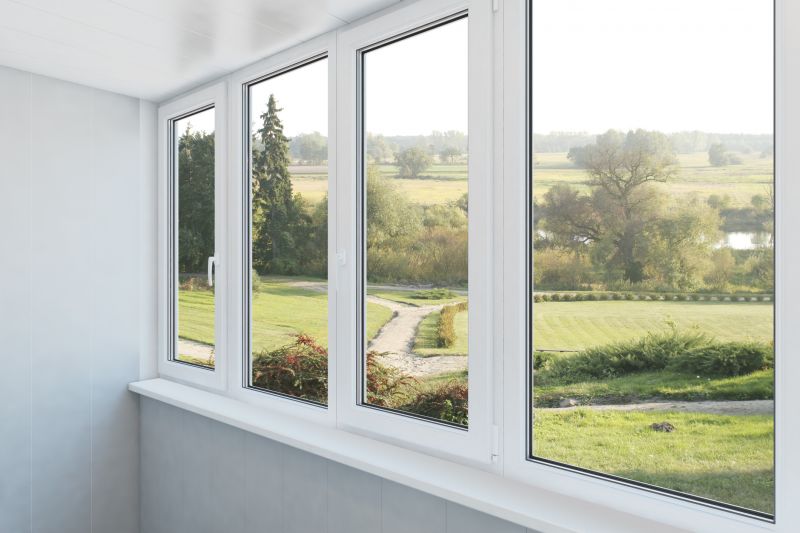
Lower-waste or water-saving choices for Window Installations.
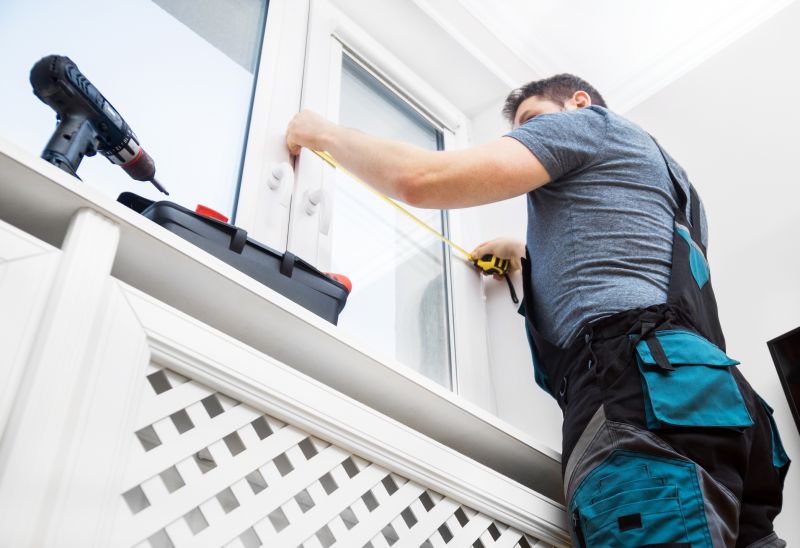
The short, realistic tool list for quality Window Installations.

Rough timing from prep to clean-up for Window Installations.
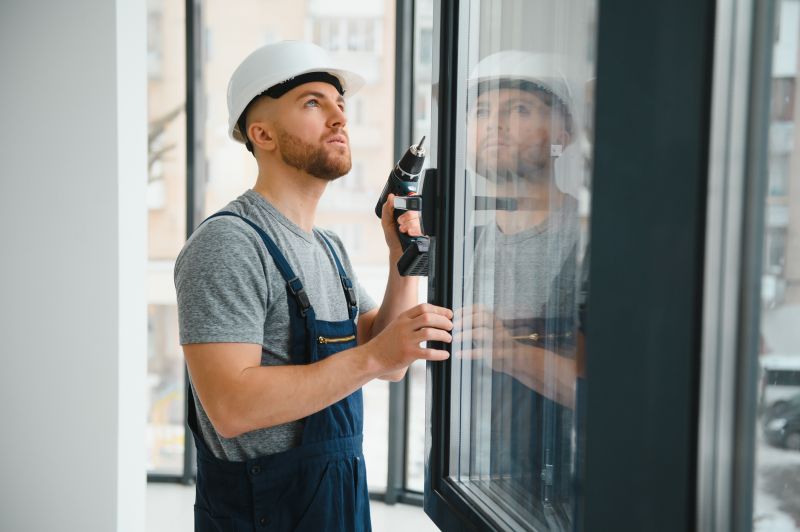
Quick checks and paperwork to keep after Window Installations.
Interested in scheduling a window installation? Filling out the contact form can provide tailored guidance on the best timing for specific project requirements. Properly timed installations contribute to long-term performance and satisfaction.